Recognizing Signs of Athlete's Foot

Athlete's foot is a common fungal infection that affects the skin of the feet. Despite its name, anyone can develop athlete's foot, not just athletes. The infection often begins between the toes, but may spread to other areas of the foot if exposed to the fungus. Common symptoms include itching, redness, and peeling skin. Some people also notice burning, cracking, or dry, flaky patches that become uncomfortable while walking. Because the infection thrives in warm, moist environments, it is more likely to develop in places where feet remain damp for extended periods. A professional evaluation is important because athlete's foot can resemble other skin conditions, making an accurate diagnosis essential for effective treatment.


Although athlete's foot usually starts as a skin infection, it can become more serious if it continues to spread. Cracked skin may allow bacteria to enter, increasing the risk of a secondary infection. In some cases, the fungus may also spread to the toenails, making treatment more challenging. Individuals with diabetes or weakened immune systems may have a greater risk of complications and should not ignore persistent symptoms. A comprehensive podiatry examination helps confirm the diagnosis while evaluating the extent of the infection and the overall health of the feet. Early diagnosis allows treatment to begin before the condition becomes more widespread or leads to additional foot problems.


A podiatrist specializes in diagnosing and treating athlete's foot while identifying any underlying conditions that may contribute to recurring infections. Professional care focuses on eliminating the infection, relieving uncomfortable symptoms, and protecting the health of the skin and toenails. Treatment is tailored to each patient's condition and adjusted as needed to support recovery. Regular podiatry visits may also help identify changes in foot health before they become more serious. If you have persistent itching, peeling skin, or other symptoms of athlete's foot, it is suggested that you consult a podiatrist for an evaluation and appropriate treatment options.

Athlete’s Foot

Athlete’s foot is often an uncomfortable condition to experience. Thankfully, podiatrists specialize in treating athlete’s foot and offer the best treatment options. If you have any questions about athlete’s foot, consult with Dr. Odin De Los Reyes from Connecticut. Our doctor will assess your condition and provide you with quality treatment.

What Is Athlete’s Foot?

Tinea pedis, more commonly known as athlete’s foot, is a non-serious and common fungal infection of the foot. Athlete’s foot is contagious and can be contracted by touching someone who has it or infected surfaces. The most common places contaminated by it are public showers, locker rooms, and swimming pools. Once contracted, it grows on feet that are left inside moist, dark, and warm shoes and socks.

Prevention

The most effective ways to prevent athlete’s foot include:

  • Thoroughly washing and drying feet
  • Avoid going barefoot in locker rooms and public showers
  • Using shower shoes in public showers
  • Wearing socks that allow the feet to breathe
  • Changing socks and shoes frequently if you sweat a lot

Symptoms

Athlete’s foot initially occurs as a rash between the toes. However, if left undiagnosed, it can spread to the sides and bottom of the feet, toenails, and if touched by hand, the hands themselves. Symptoms include:

  • Redness
  • Burning
  • Itching
  • Scaly and peeling skin

Diagnosis and Treatment

Diagnosis is quick and easy. Skin samples will be taken and either viewed under a microscope or sent to a lab for testing. Sometimes, a podiatrist can diagnose it based on simply looking at it. Once confirmed, treatment options include oral and topical antifungal medications.

If you have any questions, please feel free to contact our offices located in Southbury and Farmington, CT . We offer the newest diagnostic and treatment technologies for all your foot care needs.
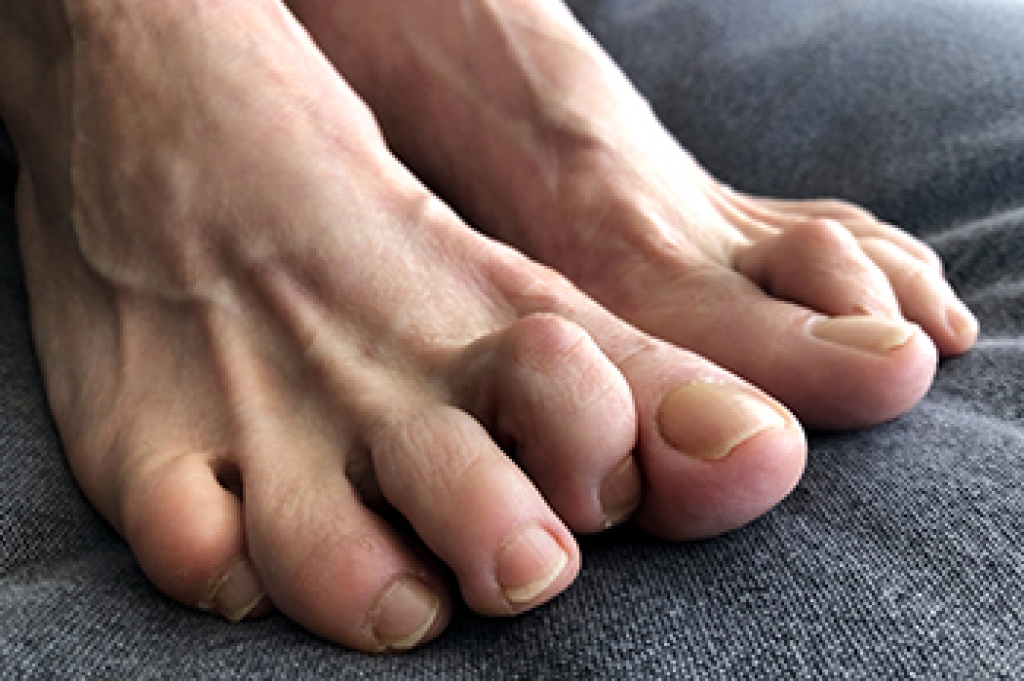
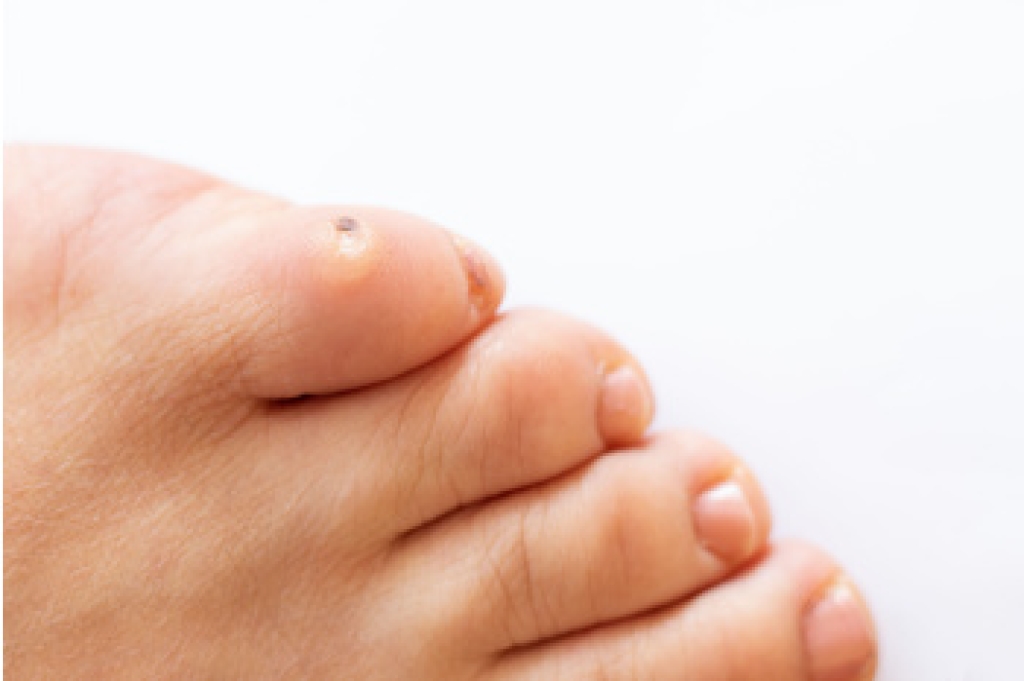
Read more about Athlete's Foot

Symptoms and Treatment of Hammertoe

Hammertoe is a deformity that causes one or more toes to bend at the middle joint instead of lying flat. The affected toe can take on a claw-like shape, making walking and wearing shoes uncomfortable. The second toe is affected most often, although other toes can develop the problem. Wearing tight, narrow shoes and high heels place repeated pressure on the toes. This pressure can change how muscles and tendons work, causing the toe to stay bent. Some people are born with hammertoe, while others develop it because of foot structure or long-term shoe pressure. Early evaluation helps prevent the deformity from becoming more difficult to treat.

Symptoms usually begin with a toe that feels stiff or rubs against the inside of a shoe. Pain can increase while walking because the bent joint presses against footwear that lacks proper support. Corns can develop on the top of the toe, and calluses can form on the ball of the foot. As the deformity becomes more fixed, straightening the toe becomes difficult. A podiatrist examines the foot, checks toe movement, and determines whether other foot problems are contributing to the deformity. X-rays also help evaluate joint alignment and guide treatment decisions. They also look for pressure areas, toe flexibility, and skin changes before recommending treatment.

Treatment focuses on relieving pain and improving toe position before the deformity becomes permanent. A podiatrist recommends shoes with a wide toe box and provides custom orthotics when abnormal foot mechanics add pressure. Padding or splinting supplied by the podiatrist helps protect irritated areas and improve toe alignment. The goal is to improve comfort and foot function and make shoes fit more comfortably. If you have pain from a hammertoe deformity, it is suggested that you schedule an appointment with a podiatrist for effective relief and treatment solutions.

Hammertoe

Hammertoes can be a painful condition to live with. For more information, contact Dr. Odin De Los Reyes from Connecticut. Our doctor will answer any of your foot- and ankle-related questions.

Hammertoe is a foot deformity that affects the joints of the second, third, fourth, or fifth toes of your feet. It is a painful foot condition in which these toes curl and arch up, which can often lead to pain when wearing footwear.

Symptoms

  • Pain in the affected toes
  • Development of corns or calluses due to friction
  • Inflammation
  • Redness
  • Contracture of the toes

Causes

Genetics – People who are genetically predisposed to hammertoe are often more susceptible

Arthritis – Because arthritis affects the joints in your toes, further deformities stemming from arthritis can occur

Trauma – Direct trauma to the toes could potentially lead to hammertoe

Ill-fitting shoes – Undue pressure on the front of the toes from ill-fitting shoes can potentially lead to the development of hammertoe

Treatment

Orthotics – Custom made inserts can be used to help relieve pressure placed on the toes and therefore relieve some of the pain associated with it

Medications – Oral medications such as anti-inflammatories or NSAIDs could be used to treat the pain and inflammation hammertoes causes. Injections of corticosteroids are also sometimes used

Surgery – In more severe cases where the hammertoes have become more rigid, foot surgery is a potential option

If you have any questions, please feel free to contact our offices located in Southbury and Farmington, CT . We offer the newest diagnostic and treatment technologies for all your foot care needs.

Read more about Hammertoe

Treating Corns With Professional Foot Care

Corns are areas of thickened skin that develop when the foot experiences repeated pressure or friction. They commonly appear on areas that receive extra stress, like the tops or sides of toes and other parts of the foot. The skin becomes thicker as the body tries to protect the area from irritation. Corns can cause discomfort while walking, wearing shoes, or completing daily activities. Symptoms include a hard area of skin, tenderness, pain, and sensitivity when pressure is placed on the affected area. Some patients develop corns because of changes in foot structure, toe alignment, or shoes that create excess pressure. A podiatrist can examine the foot to determine the cause and recommend appropriate treatment.

This foot doctor evaluates corns by examining the affected skin, reviewing symptoms, and assessing how the foot moves. The evaluation includes checking toe alignment, foot structure, walking patterns, and footwear choices. Understanding these factors helps identify why pressure is developing in certain areas of the foot. A podiatrist creates a treatment plan focused on reducing discomfort and improving foot function. Treatment includes professional care to remove thickened skin safely, address contributing factors, and support healthier movement. A podiatrist also evaluates footwear because shoes that lack proper support or fit poorly can increase pressure and friction on the toes.

Research shows that corns can affect comfort and mobility, making proper evaluation important for patients experiencing ongoing foot concerns. A podiatrist helps identify the cause of corns and develops a plan based on each patient’s foot structure and symptoms. Professional treatment can improve comfort and support better movement during daily activities. Addressing the factors that contribute to corn formation can help maintain healthier skin and improve overall foot health. Treatment plans are personalized according to examination findings and each patient’s needs. If you have developed corns, it is suggested that you schedule an appointment with a podiatrist for effective relief and treatment tips.

Corns can make walking very painful and should be treated immediately. If you have questions regarding your feet and ankles, contact Dr. Odin De Los Reyes of Connecticut. Our doctor will treat your foot and ankle needs.

Corns: What Are They? And How Do You Get Rid of Them?
Corns are thickened areas on the skin that can become painful. They are caused by excessive pressure and friction on the skin. Corns press into the deeper layers of the skin and are usually round in shape.

Ways to Prevent Corns
There are many ways to get rid of painful corns such as:

  • Wearing properly fitting shoes that have been measured by a professional
  • Wearing shoes that are not sharply pointed or have high heels
  • Wearing only shoes that offer support

Treating Corns

Although most corns slowly disappear when the friction or pressure stops, this isn’t always the case. Consult with your podiatrist to determine the best treatment option for your case of corns.

If you have any questions, please feel free to contact our offices located in Southbury and Farmington, CT . We offer the newest diagnostic and treatment technologies for all your foot care needs.

Read more about Corns: What Are They, and How Do You Get Rid of Them

Plantar Warts Can Be Treated!

Plantar warts are small growths that develop on parts of the feet that bear weight. They're typically found on the bottom of the foot. Don't live with plantar warts, and call us today!

Preventing Falls in Older Adults Through Active Living

Falls in older adults are a major health concern that can lead to serious injury and reduced independence. Many factors contribute to falls, including muscle weakness, poor balance, and underlying medical conditions. Lack of regular exercise plays a significant role, as it leads to reduced strength and slower reflexes. Maintaining foot and ankle stability is essential for safe movement and long term mobility.

Symptoms that increase fall risk often develop gradually. These include unsteady walking, difficulty standing for long periods of time, and reduced coordination. Some individuals may experience foot pain, numbness, or stiffness that interferes with balance. Social isolation and loneliness are also important contributors. Older adults who are less socially active may engage in less physical movement, which weakens muscles and reduces confidence in mobility. This cycle can increase the likelihood of falls and related injuries.

Risk factors for falls include aging-related changes in muscle strength, wearing poor footwear, and untreated foot conditions. Lack of exercise reduces flexibility and balance, while improper shoes can limit stability and grip. Loneliness may lead to decreased activity levels and delayed medical care. Falls can result in a range of foot and ankle conditions, including sprains, fractures, and tendon injuries. These injuries may take longer to heal in older adults, increasing the risk of further complications.

Preventing falls involves staying active, wearing supportive footwear, and addressing foot pain early. Regular exercise can improve strength, coordination, and balance. Staying socially engaged can also encourage movement and reduce isolation. Routine foot evaluations can help identify problems before they lead to injury. If you sustained a foot or ankle injury from falling, it is suggested that you consult a podiatrist for effective relief and treatment solutions.

Preventing falls among the elderly is very important. If you are older and have fallen or fear that you are prone to falling, consult with Dr. Odin De Los Reyes from Connecticut. Our doctor will assess your condition and provide you with quality advice and care.

Every 11 seconds, an elderly American is being treated in an emergency room for a fall related injury. Falls are the leading cause of head and hip injuries for those 65 and older. Due to decreases in strength, balance, senses, and lack of awareness, elderly persons are very susceptible to falling. Thankfully, there are a number of things older persons can do to prevent falls.

How to Prevent Falls

Some effective methods that older persons can do to prevent falls include:

  • Enrolling in strength and balance exercise program to increase balance and strength
  • Periodically having your sight and hearing checked
  • Discuss any medications you have with a doctor to see if it increases the risk of falling
  • Clearing the house of falling hazards and installing devices like grab bars and railings
  • Utilizing a walker or cane
  • Wearing shoes that provide good support and cushioning
  • Talking to family members about falling and increasing awareness

Falling can be a traumatic and embarrassing experience for elderly persons; this can make them less willing to leave the house, and less willing to talk to someone about their fears of falling. Doing such things, however, will increase the likelihood of tripping or losing one’s balance. Knowing the causes of falling and how to prevent them is the best way to mitigate the risk of serious injury.  

If you have any questions, please feel free to contact our offices located in Southbury and Farmington, CT . We offer the newest diagnostic and treatment technologies for all your foot care needs.

Read more about Falls Prevention

Connect With Us

Advanced Podiatric Procedures & Services in the New Haven County, CT: Southbury, Woodbury, Oxford, Seymour, Bethany, Naugatuck, Middlebury, Cheshire, Litchfield County, CT: Newtown, Roxbury, Bridgewater, Washington, Morris, Thomaston, Watertown, Hartford County, CT: Farmington, Avon, West Hartford, Simsbury, Bloomfield, Canton, Granby, Southington, Bristol, Middlesex County, CT: Middletown, Cromwell, Portland, East Haddam areas