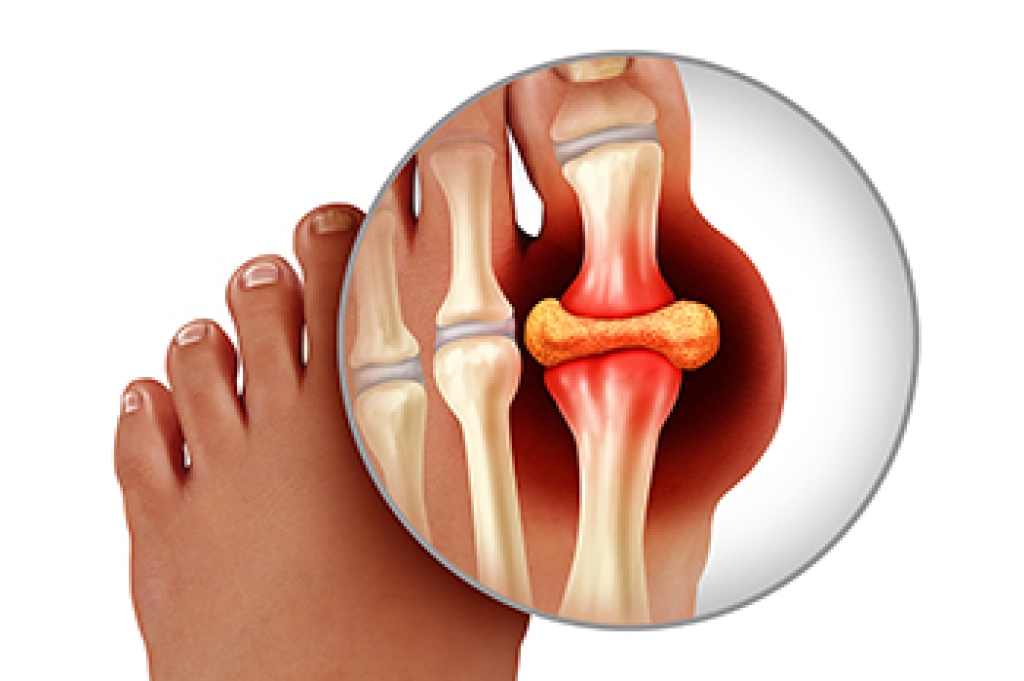
Gout and Pain in the Big Toe

Gout is a form of inflammatory arthritis that develops when uric acid builds up in the bloodstream and forms sharp crystals inside a joint. These crystals trigger sudden inflammation, often causing intense pain that can make walking difficult. Although gout can affect different joints, it most commonly affects the big toe. Symptoms may appear suddenly, sometimes overnight, and can make even light contact with a bedsheet uncomfortable. The affected joint may become swollen and red, with warmth around the skin. Gout can occur in people of different ages, but it becomes more common in older adults. Recognizing the symptoms early can help you seek treatment and reduce the risk of repeated attacks.

Gout develops when uric acid levels remain high enough for crystals to form in the joints. Uric acid is produced when the body breaks down substances called purines, which occur naturally in the body and in certain foods. The kidneys usually remove uric acid through urine, but levels may rise when the body produces too much or does not eliminate enough. Risk factors include family history, kidney problems, and excess body weight. Frequent alcohol consumption and eating large amounts of purine-rich foods may also contribute to gout attacks in susceptible people. However, not everyone with elevated uric acid develops gout, and an attack can occur even when a previous blood test showed normal levels.


The big toe is especially vulnerable because its joint experiences repeated pressure during walking and standing. The joint is also relatively cool compared with the body’s core, which may encourage uric acid crystals to form. During a gout flare, the big toe can become extremely tender, making it difficult to wear shoes or place weight on the foot. Some people experience repeated attacks that gradually affect additional joints. Without appropriate management, ongoing gout may lead to the formation of tophi. These are firm deposits of uric acid crystals that collect beneath the skin. Men are more likely to develop gout earlier in adulthood, while risk increases for women after menopause. Age, genetics, and certain health conditions can further increase susceptibility.


A podiatrist can evaluate painful toe joints, examine swelling, and review your symptoms and medical history. Treatment may include medication recommendations to control inflammation, advice on protecting the joint during a flare, and guidance about footwear that reduces pressure. Long-term gout management may also require medication to lower uric acid levels. If you experience sudden big toe pain or repeated gout attacks, it is suggested that you are under the care of a podiatrist who can help you to manage this painful condition. 

Gout is a painful condition that can be treated. If you are seeking treatment, contact Dr. Odin De Los Reyes from Connecticut. Our doctor will treat your foot and ankle needs.

What Is Gout?

Gout is a form of arthritis that is characterized by sudden, severe attacks of pain, redness, and tenderness in the joints. The condition usually affects the joint at the base of the big toe. A gout attack can occur at any random time, such as the middle of the night while you are asleep.

Symptoms

  • Intense Joint Pain - Usually around the large joint of your big toe, and it most severe within the first four to twelve hours
  • Lingering Discomfort - Joint discomfort may last from a few days to a few weeks
  • Inflammation and Redness -Affected joints may become swollen, tender, warm and red
  • Limited Range of Motion - May experience a decrease in joint mobility

Risk Factors

  • Genetics - If family members have gout, you’re more likely to have it
  • Medications - Diuretic medications can raise uric acid levels
  • Gender/Age - Gout is more common in men until the age of 60. It is believed that estrogen protects women until that point
  • Diet - Eating red meat and shellfish increases your risk
  • Alcohol - Having more than two alcoholic drinks per day increases your risk
  • Obesity - Obese people are at a higher risk for gout

Prior to visiting your podiatrist to receive treatment for gout, there are a few things you should do beforehand. If you have gout you should write down your symptoms--including when they started and how often you experience them, important medical information you may have, and any questions you may have. Writing down these three things will help your podiatrist in assessing your specific situation so that he or she may provide the best route of treatment for you.

If you have any questions, please feel free to contact our offices located in Southbury and Farmington, CT . We offer the newest diagnostic and treatment technologies for all your foot care needs.

Read more about Gout

Hammertoe Surgery Facts

Hammertoe causes one of the smaller toes to bend downward at the middle joint instead of remaining straight. The affected toe may resemble a hammer, which is how the condition gets its name. Hammertoe often develops gradually and becomes more painful as the deformity progresses. Common symptoms include toe stiffness, discomfort while walking, and difficulty finding comfortable shoes. Some people also develop corns or calluses where the bent toe rubs against footwear. Risk factors include wearing narrow shoes, having a muscle imbalance, and inheriting certain foot structures. Arthritis and bunions may also contribute to changes in toe alignment, making early evaluation helpful.

In its early stages, a hammertoe may remain flexible, meaning the toe can still be gently straightened. A podiatrist may recommend wider shoes, protective padding, or custom orthotics to reduce pressure and improve comfort. These treatments can help manage symptoms, although they cannot always correct an established deformity. Surgery is not necessary for every person with hammertoe. It may become an option when the toe remains painful despite conservative care, becomes rigid, or interferes with walking and everyday activities. The benefits of hammertoe surgery include straighter toe alignment, less rubbing against shoes, and improved comfort during movement. A podiatrist evaluates the severity of the deformity and discusses suitable options based on your needs.


The type of hammertoe surgery depends on whether the affected joint remains flexible and how much the toe has changed. For a flexible deformity, a podiatric surgeon may release or reposition a tendon to help straighten the toe. If the joint has become rigid, the surgeon may remove a small portion of bone or perform a procedure that allows the toe bones to align properly. In some cases, a temporary pin or another fixation device holds the toe in position while healing begins. The procedure may be performed using local anesthesia, sometimes with additional sedation. Potential risks include infection, delayed healing, and recurrence. Smoking, diabetes, and circulation problems may increase certain surgical risks, so your medical history must be reviewed beforehand.


After hammertoe surgery, the podiatrist provides instructions for protecting the toe and supporting healing. You may need a surgical shoe or dressing to keep pressure off the treated area. Follow-up visits allow the podiatrist to inspect the incision and monitor alignment. Keeping the foot elevated and following weight-bearing instructions help manage swelling and protect the repair. The return to regular shoes depends on the procedure and your healing progress. Although surgery improves comfort and toe position, results vary between individuals. If you have a painful hammertoe that affects walking or shoe fit, it is suggested that you consult a podiatrist who can discuss the benefits of this type of foot surgery with you. 

Foot surgery is sometimes necessary to treat a foot ailment. To learn more, contact Dr. Odin De Los Reyes of Connecticut. Our doctor will assist you with all of your foot and ankle needs.

When Is Surgery Necessary?

Foot and ankle surgery is generally reserved for cases in which less invasive, conservative procedures have failed to alleviate the problem. Some of the cases in which surgery may be necessary include:

  • Removing foot deformities like bunions and bone spurs
  • Severe arthritis that has caused bone issues
  • Cosmetic reconstruction

What Types of Surgery Are There?

The type of surgery you receive will depend on the nature of the problem you have. Some of the possible surgeries include:

  • Bunionectomy for painful bunions
  • Surgical fusion for realignment of bones
  • Neuropathy decompression surgery to treat nerve damage

Benefits of Surgery

Although surgery is usually a last resort, it can provide more complete pain relief compared to non-surgical methods and may allow you to finally resume full activity.

Surgical techniques have also become increasingly sophisticated. Techniques like endoscopic surgery allow for smaller incisions and faster recovery times.

If you have any questions, please feel free to contact our offices located in Southbury and Farmington, CT . We offer the newest diagnostic and treatment technologies for all your foot care needs.

Read more about Foot and Ankle Surgery

It's Time for Beautiful Feet

You don't need an excuse to have beautiful nails. Step outside without worrying about the appearance of your feet.

How Diabetes Can Affect the Feet

Diabetes can affect the feet in ways that are easy to miss. High blood sugar can damage nerves, which reduces the ability to feel pain, heat, or pressure. It can also narrow blood vessels and limit the flow of oxygen-rich blood needed for healing. As a result, a blister, cut, or sore may worsen before a patient notices it. Dry skin and changes in foot shape can create added pressure. Without prompt care, a small wound can develop into an ulcer or infection, and raise the risk of limb loss.

Regular podiatric visits are an important part of diabetic foot care. A podiatrist can check the skin, nails, and spaces between the toes. The examination also includes testing sensation and checking circulation. These steps help identify nerve damage, poor blood flow, or areas exposed to excess pressure. A podiatrist can safely trim thick toenails and treat corns or calluses that could break down. Care can also include guidance on shoes that fit correctly and provide proper support. Custom orthotics can improve weight distribution and protect areas at greater risk for sores.

Patients with diabetes should receive prompt professional attention for any foot change. Warning signs include swelling, redness, or unusual warmth. Other concerns are drainage, a lasting sore, or new numbness. A podiatrist can clean and dress a wound, remove unhealthy tissue, and reduce pressure on the affected area. This foot doctor can also monitor healing and coordinate care when poor circulation or infection is present. Early treatment can protect mobility and make it easier to remain active without avoidable pain. Regular examinations can uncover problems before they become harder to manage. They also give patients clear guidance based on their circulation, nerve health, and foot structure. If you have foot problems related to diabetes, it is suggested that you are under the care of a podiatrist who can help you to manage this serious condition. 

Diabetic foot care is important in preventing foot ailments such as ulcers. If you are suffering from diabetes or have any other concerns about your feet, contact Dr. Odin De Los Reyes from Connecticut. Our doctor can provide the care you need to keep you pain-free and on your feet.

Diabetic Foot Care

Diabetes affects millions of people every year. The condition can damage blood vessels in many parts of the body, especially the feet. Because of this, taking care of your feet is essential if you have diabetes, and having a podiatrist help monitor your foot health is highly recommended.

The Importance of Caring for Your Feet

  • Routinely inspect your feet for bruises or sores.
  • Wear socks that fit your feet comfortably.
  • Wear comfortable shoes that provide adequate support.

Patients with diabetes should have their doctor monitor their blood levels, as blood sugar levels play such a huge role in diabetic care. Monitoring these levels on a regular basis is highly advised.

It is always best to inform your healthcare professional of any concerns you may have regarding your feet, especially for diabetic patients. Early treatment and routine foot examinations are keys to maintaining proper health, especially because severe complications can arise if proper treatment is not applied.

If you have any questions, please feel free to contact our offices located in Southbury and Farmington, CT . We offer the newest diagnostic and treatment technologies for all your foot care needs.

Read more about Diabetic Foot Conditions

Connect With Us

Advanced Podiatric Procedures & Services in the New Haven County, CT: Southbury, Woodbury, Oxford, Seymour, Bethany, Naugatuck, Middlebury, Cheshire, Litchfield County, CT: Newtown, Roxbury, Bridgewater, Washington, Morris, Thomaston, Watertown, Hartford County, CT: Farmington, Avon, West Hartford, Simsbury, Bloomfield, Canton, Granby, Southington, Bristol, Middlesex County, CT: Middletown, Cromwell, Portland, East Haddam areas