Causes and Symptoms of Bunions

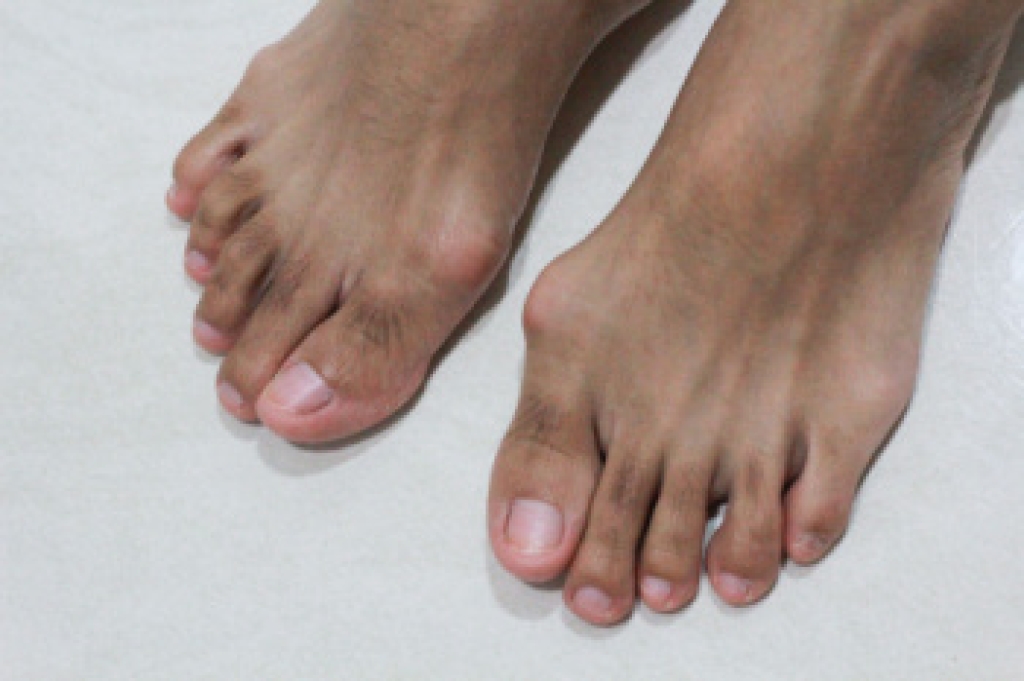
A bunion is a change in foot shape that develops when the big toe slowly shifts toward the smaller toes. As the toe moves, the joint at its base becomes more prominent, and forms a bump along the side of the foot. Doctors call this condition hallux valgus, but bunion is the name most people recognize. Some bunions cause very little discomfort, while others lead to pain that makes standing and walking difficult. The enlarged joint can become swollen, tender, and irritated from pressure inside shoes. The big toe can also crowd nearby toes, causing them to rub together or change position. As the deformity progresses, the joint can become stiff, making it harder to move the toe comfortably.

Several factors increase the chance of developing a bunion. Family history is one of the most important, because inherited foot structure can place extra stress on the big toe joint. Flat feet and joint diseases like rheumatoid arthritis also increase the risk. Shoes that lack proper support, especially narrow styles or high heels, do not usually cause bunions by themselves. They can make an existing bunion more painful and allow the deformity to progress. A podiatrist can diagnose the bunion by examining the foot, checking toe movement, and watching how the patient stands and walks. Standing X-rays show bone alignment and help determine the severity of the bunion.

Treatment depends on the amount of pain, the severity of the bunion, and its effect on daily activities. A podiatrist can recommend properly fitted shoes, custom orthotics, and protective padding to reduce pressure on the joint. These treatments improve comfort and help patients stay active. When the deformity becomes severe and continues to interfere with walking, surgery can straighten the big toe and improve foot alignment. If you have pain from a bunion, it is suggested that you schedule an appointment with a podiatrist for diagnosis and appropriate treatment.

If you are suffering from bunions, contact Dr. Odin De Los Reyes of Connecticut. Our doctor can provide the care you need to keep you pain-free and on your feet.

What Is a Bunion?

A bunion is formed of swollen tissue or an enlargement of boney growth, usually located at the base joint of the toe that connects to the foot. The swelling occurs due to the bones in the big toe shifting inward, which impacts the other toes of the foot. This causes the area around the base of the big toe to become inflamed and painful.

Why Do Bunions Form?

Genetics – Susceptibility to bunions are often hereditary

Stress on the feet – Poorly fitted and uncomfortable footwear that places stress on feet, such as heels, can worsen existing bunions

How Are Bunions Diagnosed?

Podiatrists often perform two tests – blood tests and x-rays – when trying to diagnose bunions, especially in the early stages of development. Blood tests help determine if the foot pain is being caused by something else, such as arthritis, while x-rays provide a clear picture of your bone structure to your provider.

How Are Bunions Treated?

  • Refrain from wearing heels or similar shoes that cause discomfort
  • Select wider shoes that can provide more comfort and reduce pain
  • Anti-inflammatory and pain management drugs
  • Orthotics or foot inserts
  • Surgery

If you have any questions, please feel free to contact our offices located in Southbury and Farmington, CT . We offer the newest diagnostic and treatment technologies for all your foot care needs.
Read more about What Are Bunions?

Foot Blisters Are Common in Runners

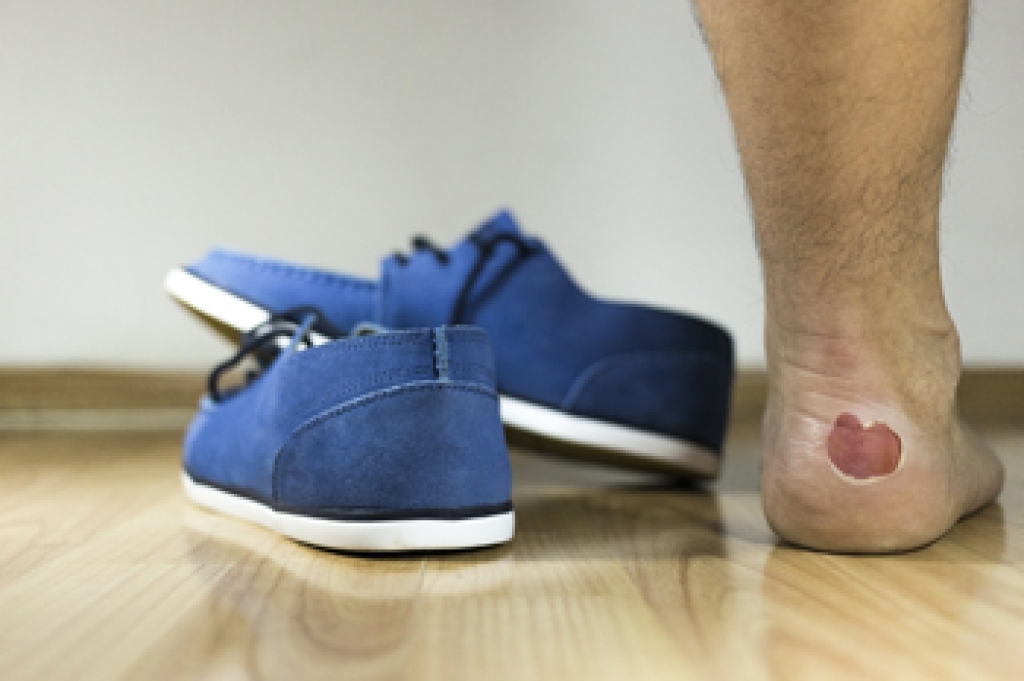
Foot blisters are one of the most common issues experienced by runners, especially during long-distance or high-impact activity. A blister forms when repeated friction causes the upper layer of skin to separate from the layer beneath it. This space fills with fluid, which acts as a natural cushion to protect the raw skin underneath. While this is a protective response, it can still cause significant discomfort and interfere with performance. Understanding how and why blisters develop is essential for prevention and proper care.

The primary cause of foot blisters from running is friction created by rubbing shoes or socks against the skin. Wearing ill-fitting footwear, moisture buildup from sweat, and repetitive motion all increase the likelihood of skin irritation. As the friction continues, the outer skin layer begins to lift, leading to fluid accumulation. Common symptoms include redness, tenderness, a raised, fluid filled area, and pain when pressure is applied. If the blister breaks, the exposed skin may become more sensitive and prone to infection.


Several risk factors can increase the chance of developing blisters. These include wearing shoes that are too tight or too loose, excessive sweating, and long periods of running without rest. Choice of socks can also have an effect. Poor foot hygiene and biomechanical issues like abnormal gait patterns can also contribute. Preventive steps include choosing properly fitted running shoes, wearing moisture wicking socks, and keeping feet dry. Using protective padding or blister prevention products in high friction areas is recommended by experts. Taking these proactive steps can reduce discomfort and help maintain consistent performance. Early attention to hot spots can prevent blisters from forming or worsening. Proper footwear and foot care play a key role in long-term prevention. If foot blisters become painful or show signs of infection, it is suggested that you consult a podiatrist for effective relief and prevention tips. 

Blisters may appear as a single bubble or in a cluster. They can cause a lot of pain and may be filled with pus, blood, or watery serum. If your feet are hurting, contact Dr. Odin De Los Reyes of Connecticut. Our doctor can provide the care you need to keep you pain-free and on your feet.

Foot Blisters

Foot blisters are often the result of friction. This happens due to the constant rubbing from shoes, which can lead to pain.

What Are Foot Blisters?

A foot blister is a small fluid-filled pocket that forms on the upper-most layer of the skin. Blisters are filled with clear fluid and can lead to blood drainage or pus if the area becomes infected.

Symptoms

(Blister symptoms may vary depending on what is causing them)

  • Bubble of skin filled with fluid
  • Redness
  • Moderate to severe pain
  • Itching

Prevention & Treatment

In order to prevent blisters, you should be sure to wear comfortable shoes with socks that cushion your feet and absorb sweat. Breaking a blister open may increase your chances of developing an infection. However, if your blister breaks, you should wash the area with soap and water immediately and then apply a bandage to the affected area. If your blisters cause severe pain it is important that you call your podiatrist right away.

If you have any questions, please feel free to contact our offices located in Southbury and Farmington, CT . We offer the newest diagnostic and treatment technologies for all your foot care needs.
Read more about Blisters

When to See a Podiatrist for a Broken Toe

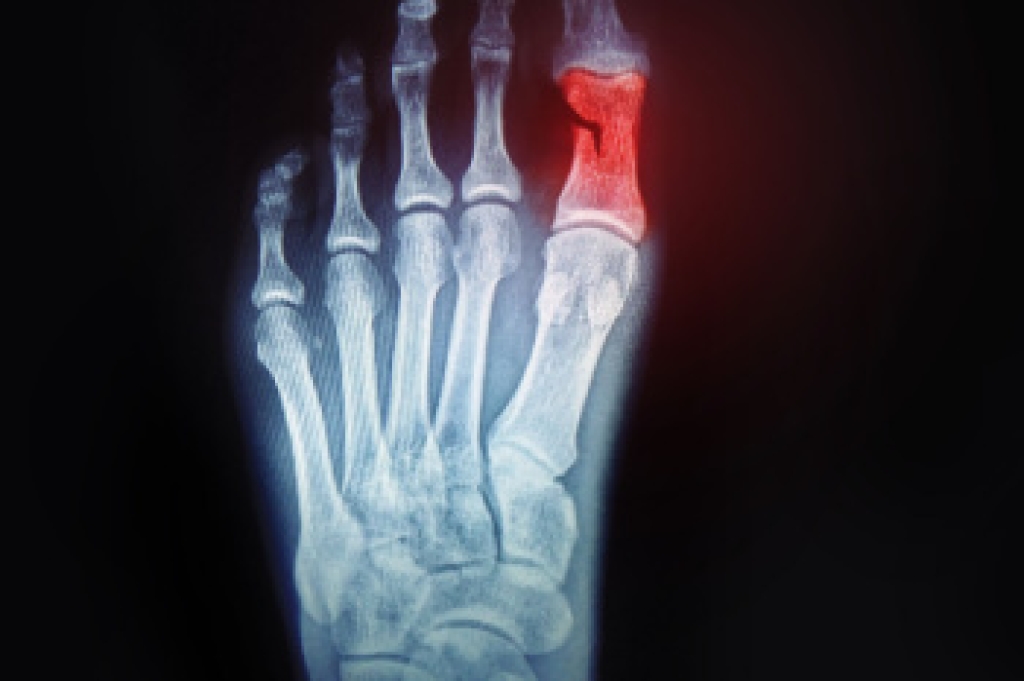
A broken toe can happen in an instant after stubbing your foot or dropping something heavy on it. Even though the injury can be very painful, some people are still able to walk on it. This makes it difficult to know whether a bone is actually broken. A broken toe can cause swelling, bruising, and tenderness. It also causes pain that can get worse while walking or wearing shoes. In some cases, the toe looks crooked or out of place. A more serious injury can leave part of a bone exposed, which requires immediate medical attention. A podiatrist can examine the injured toe and determine with an X-ray whether the damage involves a fracture or a bruise. 

Stubbing a toe against furniture and dropping a heavy object on the foot are leading causes of toe fractures. Sports injuries and falls can also cause a toe to break. Tiny cracks in the bone, called stress fractures, can develop after repeated strain from certain activities, like running. People with weakened bone density have a greater chance of breaking a toe from an injury than someone with stronger bones. Ignoring a broken toe can allow the bones to heal in the wrong position. This can lead to lasting pain, difficulty wearing shoes, and problems with balance while walking.

A podiatrist can provide an exam to determine the type and severity of the injury in order to recommend the best treatment plan. Care includes reviewing symptoms, examining the position of the toe, and ordering X-rays or other imaging. Some broken toes heal with protection and close monitoring, while others require a procedure to restore proper alignment. Surgery is recommended for certain severe fractures. Early diagnosis helps reduce the risk of long-term complications and supports proper healing. If you have broken a toe, it is suggested that you schedule an appointment with a podiatrist for an accurate diagnosis and appropriate treatment.

A broken toe can be very painful and lead to complications if not properly fixed. If you have any concerns about your feet, contact Dr. Odin De Los Reyes from Connecticut. Our doctor will treat your foot and ankle needs.

What to Know About a Broken Toe

Although most people try to avoid foot trauma such as banging, stubbing, or dropping heavy objects on their feet, the unfortunate fact is that it is a common occurrence. Given the fact that toes are positioned in front of the feet, they typically sustain the brunt of such trauma. When trauma occurs to a toe, the result can be a painful break (fracture).

Symptoms of a Broken Toe

  • Throbbing pain
  • Swelling
  • Bruising on the skin and toenail
  • The inability to move the toe
  • Toe appears crooked or disfigured
  • Tingling or numbness in the toe

Generally, it is best to stay off of the injured toe with the affected foot elevated.

Severe toe fractures may be treated with a splint, cast, and in some cases, minor surgery. Due to its position and the pressure it endures with daily activity, future complications can occur if the big toe is not properly treated.

If you have any questions, please feel free to contact our offices located in Southbury and Farmington, CT . We offer the newest diagnostic and treatment technologies for all your foot care needs.

Read more about What to Know About a Broken Toe

Sever’s Disease in Active Children

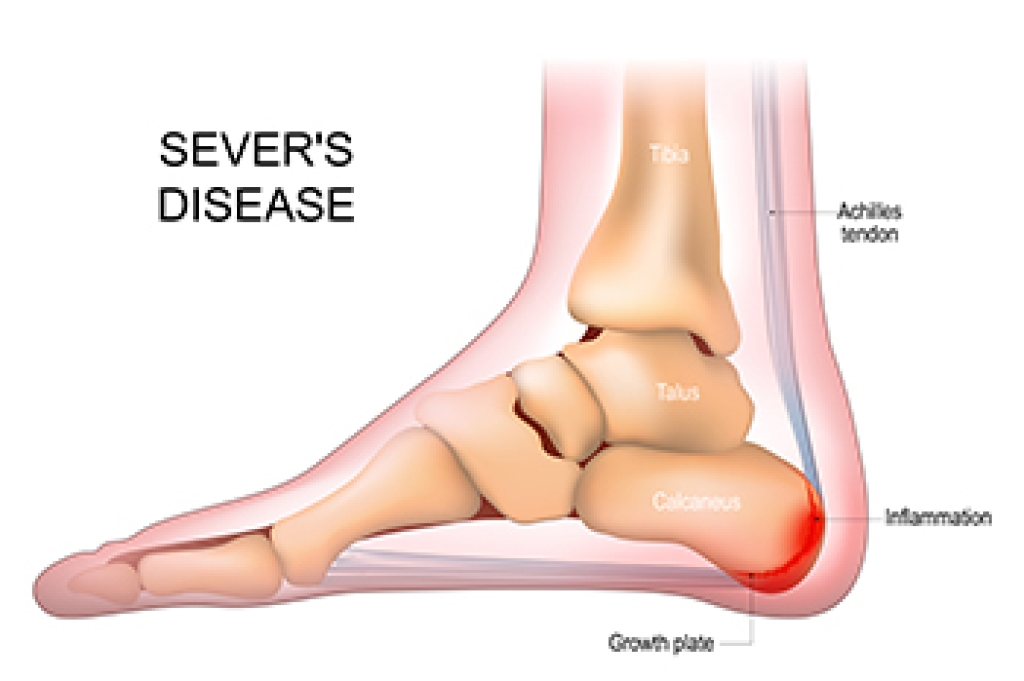
Sever’s disease, also known as calcaneal apophysitis, is a common cause of heel pain in growing children and adolescents. It occurs when the growth plate in the heel becomes inflamed due to repetitive stress and tension from the Achilles tendon. This condition is most often seen in physically active children who participate in running or jumping sports. During growth spurts, bones can grow faster than muscles and tendons, which increases strain on the heel. This imbalance leads to irritation and discomfort that can affect mobility and performance in daily and athletic activities.

Symptoms of Sever’s disease include heel pain that worsens with activity and improves with rest. Children may complain of soreness at the back or bottom of the heel, especially after sports. Tenderness, mild swelling, and stiffness are also common. Some children may walk on their toes or limp to avoid placing pressure on the heel. Recognizing these symptoms early is important to prevent worsening pain and to support proper healing during active growth phases.


Risk factors include participation in high-impact sports, rapid growth periods, and tight calf muscles that increase tension on the heel. Improper footwear that lacks cushioning or support can further contribute to stress on the growth plate. Flat feet or high-arched foot structure may also affect how weight is distributed, increasing strain on the heel. These combined factors make active children more vulnerable to this condition, especially during periods of increased activity or training intensity.


Relief from Sever’s disease focuses on reducing stress on the heel and allowing the growth plate to recover. Rest, activity modification, and stretching of the calf muscles are essential components of care. Supportive footwear and heel cushions can help absorb shock and reduce discomfort. Early treatment helps prevent prolonged pain and supports a safe return to activity. If your child has heel pain, it is suggested that you consult a podiatrist who can accurately diagnose Sever’s disease and provide effective relief tips.

Sever's disease often occurs in children and teens. If your child is experiencing foot or ankle pain, see Dr. Odin De Los Reyes from Connecticut. Our doctor can treat your child’s foot and ankle needs.

Sever’s Disease

Sever’s disease is also known as calcaneal apophysitis, which is a medical condition that causes heel pain I none or both feet. The disease is known to affect children between the ages of 8 and 14.

Sever’s disease occurs when part of the child’s heel known as the growth plate (calcaneal epiphysis) is attached to the Achilles tendon. This area can suffer injury when the muscles and tendons of the growing foot do not keep pace with bone growth. Therefore, the constant pain which one experiences at the back of the heel will make the child unable to put any weight on the heel. The child is then forced to walk on their toes.

Symptoms

Acute pain – Pain associated with Sever’s disease is usually felt in the heel when the child engages in physical activity such as walking, jumping and or running.

Highly active – Children who are very active are among the most susceptible in experiencing Sever’s disease, because of the stress and tension placed on their feet.

If you have any questions, please feel free to contact our offices located in Southbury and Farmington, CT . We offer the newest diagnostic and treatment technologies for all your foot care needs.

Read more about Sever's Disease

Connect With Us

Advanced Podiatric Procedures & Services in the New Haven County, CT: Southbury, Woodbury, Oxford, Seymour, Bethany, Naugatuck, Middlebury, Cheshire, Litchfield County, CT: Newtown, Roxbury, Bridgewater, Washington, Morris, Thomaston, Watertown, Hartford County, CT: Farmington, Avon, West Hartford, Simsbury, Bloomfield, Canton, Granby, Southington, Bristol, Middlesex County, CT: Middletown, Cromwell, Portland, East Haddam areas