Not Every Child's Heel Pain Is Sever's Disease

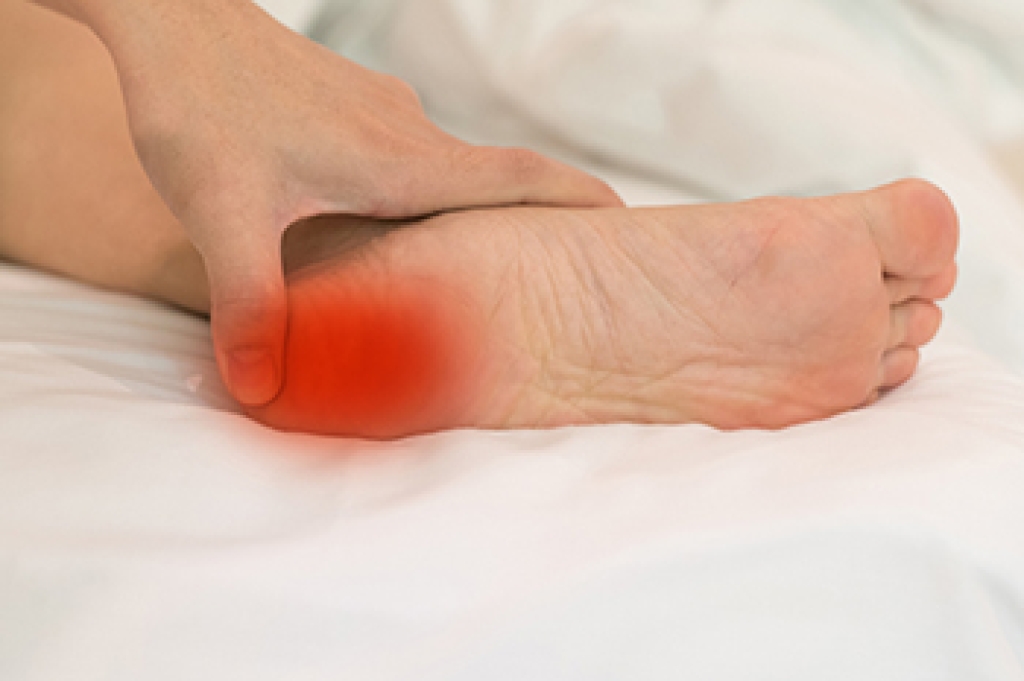
Heel pain in active children is often linked to Sever's disease, a common condition caused by irritation at the growth plate in the heel during periods of rapid growth and repeated activity. However, not every young athlete with heel pain has this condition. Similar symptoms may come from Achilles tendon strain, bone stress injuries, deep bruising, or other joint-related problems. Running, jumping, and frequent training can place repeated stress on the heel, making proper diagnosis important when pain does not improve. A podiatrist can evaluate where the pain is located, review activity history, assess walking patterns, and order imaging if needed, to identify the true cause. Running, jumping, and high impact sports can place repeated stress on the heel, making diagnosis important when pain continues. A podiatrist can evaluate the location of pain, activity history, walking pattern, and imaging if needed, to determine the exact cause. Proper diagnosis helps ensure the child receives the right treatment and avoids worsening the problem by continuing sports too soon. If your child has ongoing heel pain during athletic activity, it is suggested that you visit a podiatrist for an accurate diagnosis and effective treatment.

Many people suffer from bouts of heel pain. For more information, contact Dr. Odin De Los Reyes of Connecticut. Our doctor can provide the care you need to keep you pain-free and on your feet.

Causes of Heel Pain

Heel pain is often associated with plantar fasciitis. The plantar fascia is a band of tissues that extends along the bottom of the foot. A rip or tear in this ligament can cause inflammation of the tissue.

Achilles tendonitis is another cause of heel pain. Inflammation of the Achilles tendon will cause pain from fractures and muscle tearing. Lack of flexibility is also another symptom.

Heel spurs are another cause of pain. When the tissues of the plantar fascia undergo a great deal of stress, it can lead to ligament separation from the heel bone, causing heel spurs.

Why Might Heel Pain Occur?

  • Wearing ill-fitting shoes                
  • Wearing non-supportive shoes
  • Weight change           
  • Excessive running

Treatments

Heel pain should be treated as soon as possible for immediate results. Keeping your feet in a stress-free environment will help. If you suffer from Achilles tendonitis or plantar fasciitis, applying ice will reduce the swelling. Stretching before an exercise like running will help the muscles. Using all these tips will help make heel pain a condition of the past.

If you have any questions, please feel free to contact our offices located in Southbury and Farmington, CT . We offer the newest diagnostic and treatment technologies for all your foot care needs.

Read more about Heel Pain

How High Heels Can Affect Your Feet

High heels can place excess pressure on the front of the foot and alter the natural alignment of the body. This shift in weight may lead to pain in the ball of the foot, toes, or heel, especially after long periods of wear. The foot may appear crowded in the toe box, and some people notice redness, swelling, or the development of calluses. Over time, wearing high heels can contribute to conditions such as bunions and hammertoes, or place strain on the Achilles tendon. High heels may also cause instability, increasing the risk of ankle sprains. Contributing factors include heel height, narrow shoe design, and frequent use without supportive features. A podiatrist can evaluate foot structure and gait to identify stress points and recommend appropriate care. Treatment may include shoe modifications, padding, and targeted exercises to improve strength and flexibility. If you have foot pain related to high heels, it is suggested that you schedule an appointment with a podiatrist for relief and prevention tips.

High heels have a history of causing foot and ankle problems. If you have any concerns about your feet or ankles, contact Dr. Odin De Los Reyes from Connecticut. Our doctor can provide the care you need to keep you pain-free and on your feet.

Effects of High Heels on the Feet

High heels are popular shoes among women because of their many styles and societal appeal.  Despite this, high heels can still cause many health problems if worn too frequently.

Which Parts of My Body Will Be Affected by High Heels?

  • Ankle Joints
  • Achilles Tendon – May shorten and stiffen with prolonged wear
  • Balls of the Feet
  • Knees – Heels cause the knees to bend constantly, creating stress on them
  • Back – They decrease the spine’s ability to absorb shock, which may lead to back pain.  The vertebrae of the lower back may compress.

What Kinds of Foot Problems Can Develop from Wearing High Heels?

  • Corns
  • Calluses
  • Hammertoe
  • Bunions
  • Morton’s Neuroma
  • Plantar Fasciitis

How Can I Still Wear High Heels and Maintain Foot Health?

If you want to wear high heeled shoes, make sure that you are not wearing them every day, as this will help prevent long term physical problems.  Try wearing thicker heels as opposed to stilettos to distribute weight more evenly across the feet.  Always make sure you are wearing the proper shoes for the right occasion, such as sneakers for exercising.  If you walk to work, try carrying your heels with you and changing into them once you arrive at work.  Adding inserts to your heels can help cushion your feet and absorb shock. Full foot inserts or metatarsal pads are available. 

If you have any questions, please feel free to contact our offices located in Southbury and Farmington, CT . We offer the newest diagnostic and treatment technologies for all your foot care needs.

Read more about Effect of High Heels on the Feet

Living With Foot Pain in Chronic Conditions

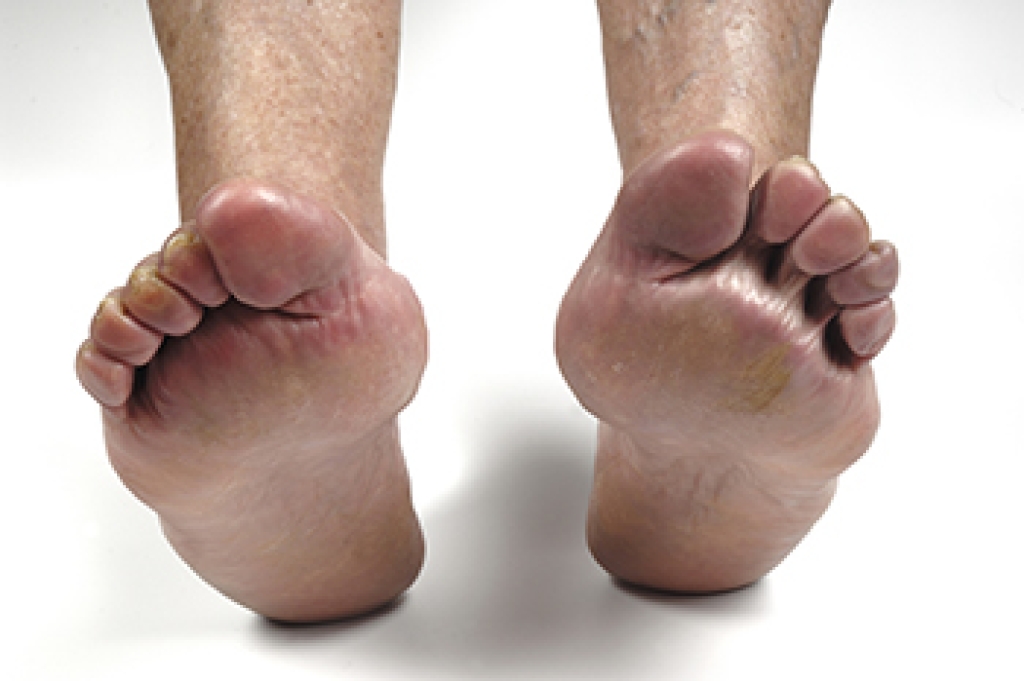
Rheumatoid arthritis is a disease where the immune system attacks joints, causing swelling and pain. Ehlers-Danlos syndrome is a condition that affects connective tissue, leading to loose joints and fragile skin. Lupus is an autoimmune illness that can cause inflammation throughout the body, including the feet. In women with these conditions, foot pain is common and can make walking, standing, and daily tasks more difficult. Ongoing discomfort may limit activity and lower overall quality of life. A podiatrist can help manage symptoms with supportive care, custom orthotics, and footwear advice to improve comfort and stability. With proper treatment, many people can stay active and reduce pain over time. If foot pain is interfering with your routine, it is suggested that you seek care from a podiatrist.

Because RA affects more than just your joints, including the joints in your feet and ankles, it is important to seek early diagnosis from your podiatrist if you feel like the pain in your feet might be caused by RA. For more information, contact Dr. Odin De Los Reyes of Connecticut. Our doctor will assist you with all of your podiatric concerns.

What Is Rheumatoid Arthritis?

Rheumatoid Arthritis (RA) is an autoimmune disorder in which the body’s own immune system attacks the membranes surrounding the joints. Inflammation of the lining and eventually the destruction of the joint’s cartilage and bone occur, causing severe pain and immobility.

Rheumatoid Arthritis of the Feet

Although RA usually attacks multiple bones and joints throughout the entire body, almost 90 percent of cases result in pain in the foot or ankle area.

Symptoms

  • Swelling and pain in the feet
  • Stiffness in the feet
  • Pain on the ball or sole of feet
  • Joint shift and deformation

Diagnosis

Quick diagnosis of RA in the feet is important so that the podiatrist can treat the area effectively. Your doctor will ask you about your medical history, occupation, and lifestyle to determine the origin of the condition. Rheumatoid Factor tests help to determine if someone is affected by the disease.

If you have any questions, please feel free to contact our offices located in Southbury and Farmington, CT . We offer the newest diagnostic and treatment technologies for all your foot care needs.

Read more about Rheumatoid Arthritis in the Feet

Are Bunions Affecting Your Everyday Life?

Have you noticed a bony protrusion on the side of your big toe? If so, you may have developed the foot condition known as a bunion. Don't let bunions interfere with your daily activities.

Management of Scar Tissue Pain in the Feet

Scar tissue can form in the feet after an injury, surgery, or repeated stress. While it is a normal part of healing, it may not be as flexible as healthy tissue. This can lead to tightness, discomfort, or pain with movement and walking. Some people notice a pulling feeling, sensitivity, or pain when pressure is applied to the area. Over time, scar tissue can limit motion and affect how the foot functions. Wearing supportive shoes, stretching, and gentle massage may help improve flexibility and reduce discomfort. Custom orthotics or padding can also relieve pressure on sensitive areas. Early care can help prevent long-term issues and improve comfort. If pain continues, worsens, or interferes with daily activity, it is suggested you schedule an appointment with a podiatrist for appropriate care.

Foot Pain

Foot pain can be extremely painful and debilitating. If you have a foot pain, consult with Dr. Odin De Los Reyes from Connecticut. Our doctor will assess your condition and provide you with quality foot and ankle treatment.

Causes

Foot pain is a very broad condition that could be caused by one or more ailments. The most common include:

  • Bunions
  • Hammertoes
  • Plantar Fasciitis
  • Bone Spurs
  • Corns
  • Tarsal Tunnel Syndrome
  • Ingrown Toenails
  • Arthritis (such as Gout, Rheumatoid, and Osteoarthritis)
  • Flat Feet
  • Injury (from stress fractures, broken toe, foot, ankle, Achilles tendon ruptures, and sprains)
  • And more

Diagnosis

To figure out the cause of foot pain, podiatrists utilize several different methods. This can range from simple visual inspections and sensation tests to X-rays and MRI scans. Prior medical history, family medical history, and any recent physical traumatic events will all be taken into consideration for a proper diagnosis.

Treatment

Treatment depends upon the cause of the foot pain. Whether it is resting, staying off the foot, or having surgery; podiatrists have a number of treatment options available for foot pain.

If you have any questions, please feel free to contact our offices located in Southbury and Farmington, CT . We offer the newest diagnostic and treatment technologies for all your foot care needs.

Read more about Foot Pain

Connect With Us

Advanced Podiatric Procedures & Services in the New Haven County, CT: Southbury, Woodbury, Oxford, Seymour, Bethany, Naugatuck, Middlebury, Cheshire, Litchfield County, CT: Newtown, Roxbury, Bridgewater, Washington, Morris, Thomaston, Watertown, Hartford County, CT: Farmington, Avon, West Hartford, Simsbury, Bloomfield, Canton, Granby, Southington, Bristol, Middlesex County, CT: Middletown, Cromwell, Portland, East Haddam areas