What Is Sever’s Disease?

Children who are growing and physically active can put excessive wear on the growth plate of their heel bone, which attaches to the Achilles tendon. Repetitive pulling on the growth plate causes inflammation and pain in the heel and is known as Sever’s disease. Although this condition is painful and can reoccur, it is not dangerous, and should go away once the growth plate closes and your child stops growing. There are several things you can do at home to help reduce the pain of Sever’s disease. Have your child stretch their calf muscles several times a day and make sure your child sits out activities rather than playing through the pain. You can also ice the area, give your child over-the-counter painkillers, and have them wear supportive shoes. If pain persists, severe swelling occurs, or your child develops a fever, contact a podiatrist right away. The podiatrist will first rule out a heel fracture, and then may suggest custom orthotics and specific stretching exercises to heal the pain and avoid permanent damage.

Sever's disease often occurs in children and teens. If your child is experiencing foot or ankle pain, see Dr. Odin De Los Reyes from Connecticut. Our doctor can treat your child’s foot and ankle needs.

Sever’s Disease

Sever’s disease is also known as calcaneal apophysitis, which is a medical condition that causes heel pain I none or both feet. The disease is known to affect children between the ages of 8 and 14.

Sever’s disease occurs when part of the child’s heel known as the growth plate (calcaneal epiphysis) is attached to the Achilles tendon. This area can suffer injury when the muscles and tendons of the growing foot do not keep pace with bone growth. Therefore, the constant pain which one experiences at the back of the heel will make the child unable to put any weight on the heel. The child is then forced to walk on their toes.

Symptoms

Acute pain – Pain associated with Sever’s disease is usually felt in the heel when the child engages in physical activity such as walking, jumping and or running.

Highly active – Children who are very active are among the most susceptible in experiencing Sever’s disease, because of the stress and tension placed on their feet.

If you have any questions, please feel free to contact our offices located in Southbury and Farmington, CT . We offer the newest diagnostic and treatment technologies for all your foot care needs.

Read more about Sever's Disease

Diabetes and Its Impact on the Feet

Diabetes can lead to various health complications in many parts of the body, and the lower limbs are especially susceptible to damage. Diabetic peripheral neuropathy, in which the nerves that innervate the lower limbs become damaged, can lead to a loss of sensation in the feet and ankles. Peripheral artery disease, in which the blood vessels that supply the lower limbs are compromised and blood flow to the area is reduced, can lead to poor wound healing on the feet. Together, these two conditions greatly increase the risk of developing diabetic foot ulcers (DFUs). DFUs can appear without being detected due to a lack of sensation and may heal slowly and poorly due to poor circulation. DFUs can also become infected, and lead to serious complications, including amputation. To learn how to care for diabetic feet, it is suggested that you consult with a podiatrist.

Diabetic foot care is important in preventing foot ailments such as ulcers. If you are suffering from diabetes or have any other concerns about your feet, contact Dr. Odin De Los Reyes from Connecticut. Our doctor can provide the care you need to keep you pain-free and on your feet.

Diabetic Foot Care

Diabetes affects millions of people every year. The condition can damage blood vessels in many parts of the body, especially the feet. Because of this, taking care of your feet is essential if you have diabetes, and having a podiatrist help monitor your foot health is highly recommended.

The Importance of Caring for Your Feet

  • Routinely inspect your feet for bruises or sores.
  • Wear socks that fit your feet comfortably.
  • Wear comfortable shoes that provide adequate support.

Patients with diabetes should have their doctor monitor their blood levels, as blood sugar levels play such a huge role in diabetic care. Monitoring these levels on a regular basis is highly advised.

It is always best to inform your healthcare professional of any concerns you may have regarding your feet, especially for diabetic patients. Early treatment and routine foot examinations are keys to maintaining proper health, especially because severe complications can arise if proper treatment is not applied.

If you have any questions, please feel free to contact our offices located in Southbury and Farmington, CT . We offer the newest diagnostic and treatment technologies for all your foot care needs.
Read more about Diabetic Foot Conditions

Reminder: When Was the Last Time...?

Custom orthotics, or shoe inserts, should be periodically replaced. Orthotics must fit properly to give you the best results. Protect your feet and ankles!

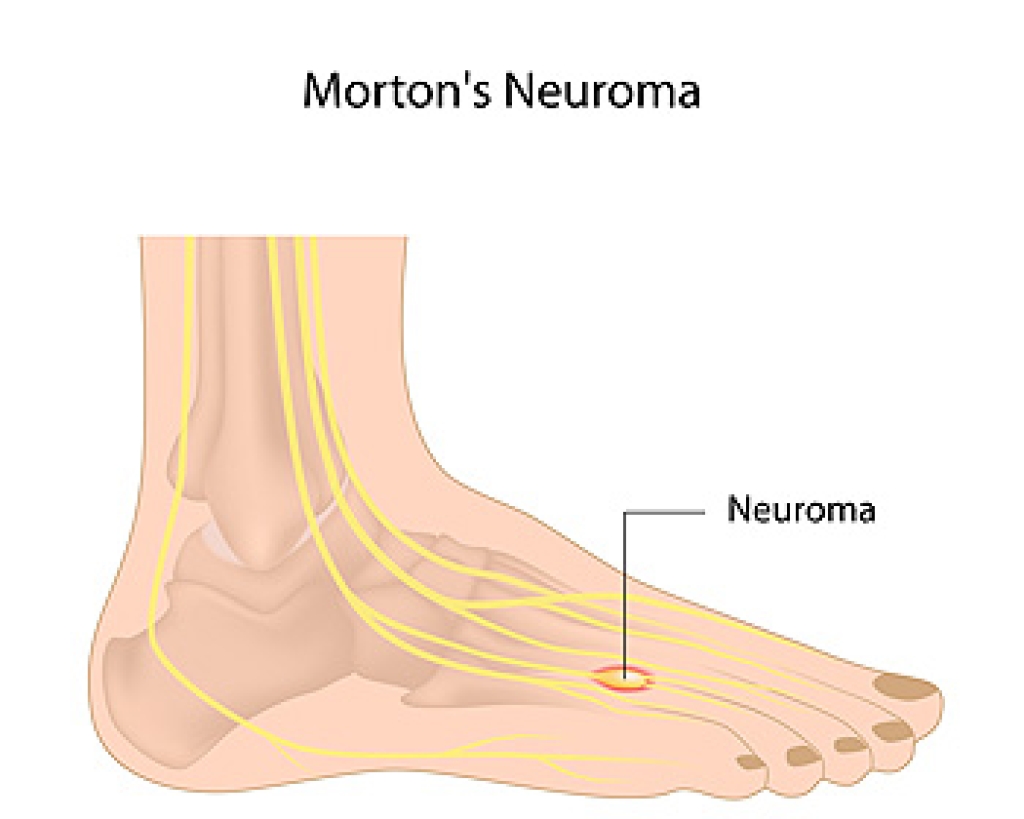
Do I Have Morton's Neuroma?

Morton’s neuroma is a painful foot condition caused by damage to the nerve between the third and fourth toes. The tissue that surrounds the nerve thickens due to inflammation, causing symptoms such as toe numbness, a tingling sensation, a feeling akin to “walking on a pebble,” and burning pain in the ball of the foot. Morton’s neuroma is eight to ten times more common in women than in men because it is believed to be caused by wearing ill-fitting shoes.  Morton's neuroma can also result from damaging the foot during high impact sports or from other trauma to the nerves of the feet. Having certain foot deformities, such as flat feet, high arches, hammertoes, or bunions, can also put you at an increased risk of developing Morton’s neuroma. If you have symptoms of this condition, please seek the care of a podiatrist.

Morton’s neuroma is a very uncomfortable condition to live with. If you think you have Morton’s neuroma, contact Dr. Odin De Los Reyes of Connecticut. Our doctor will attend to all of your foot care needs and answer any of your related questions.  

Morton’s Neuroma

Morton's neuroma is a painful foot condition that commonly affects the areas between the second and third or third and fourth toe, although other areas of the foot are also susceptible. Morton’s neuroma is caused by an inflamed nerve in the foot that is being squeezed and aggravated by surrounding bones.

What Increases the Chances of Having Morton’s Neuroma?

  • Ill-fitting high heels or shoes that add pressure to the toe or foot
  • Jogging, running or any sport that involves constant impact to the foot
  • Flat feet, bunions, and any other foot deformities

Morton’s neuroma is a very treatable condition. Orthotics and shoe inserts can often be used to alleviate the pain on the forefront of the feet. In more severe cases, corticosteroids can also be prescribed. In order to figure out the best treatment for your neuroma, it’s recommended to seek the care of a podiatrist who can diagnose your condition and provide different treatment options.

If you have any questions, please feel free to contact our offices located in Southbury and Farmington, CT . We offer the newest diagnostic and treatment technologies for all your foot care needs.

Read more about What is Morton's Neuroma?

How Footwear Can Lead to Hammertoes

Did you know that the shoes you wear can put you at higher risk of developing a hammertoe? Hammertoes occur when a toe’s middle joint becomes set in an abnormally bent position, rather than pointing forward. Millions of people in America are afflicted with this condition which can be very embarrassing and painful. Although genetics, injuries or arthritis can play a part, there are ways to help avoid developing hammertoes. Don’t wear shoes that are too narrow, tight, pointy or that otherwise force your toes into bent or unnatural positions. Stretch out your toes and elevate your feet as much as possible and take care of bunions, corns, and calluses. If you are already suffering from hammertoe, a podiatrist can help you determine the best course of action for correcting it.

Hammertoe

Hammertoes can be a painful condition to live with. For more information, contact Dr. Odin De Los Reyes from Connecticut. Our doctor will answer any of your foot- and ankle-related questions.

Hammertoe is a foot deformity that affects the joints of the second, third, fourth, or fifth toes of your feet. It is a painful foot condition in which these toes curl and arch up, which can often lead to pain when wearing footwear.

Symptoms

  • Pain in the affected toes
  • Development of corns or calluses due to friction
  • Inflammation
  • Redness
  • Contracture of the toes

Causes

Genetics – People who are genetically predisposed to hammertoe are often more susceptible

Arthritis – Because arthritis affects the joints in your toes, further deformities stemming from arthritis can occur

Trauma – Direct trauma to the toes could potentially lead to hammertoe

Ill-fitting shoes – Undue pressure on the front of the toes from ill-fitting shoes can potentially lead to the development of hammertoe

Treatment

Orthotics – Custom made inserts can be used to help relieve pressure placed on the toes and therefore relieve some of the pain associated with it

Medications – Oral medications such as anti-inflammatories or NSAIDs could be used to treat the pain and inflammation hammertoes causes. Injections of corticosteroids are also sometimes used

Surgery – In more severe cases where the hammertoes have become more rigid, foot surgery is a potential option

If you have any questions, please feel free to contact our offices located in Southbury and Farmington, CT . We offer the newest diagnostic and treatment technologies for all your foot care needs.

Read more about Hammertoe

Connect With Us

scroll to top