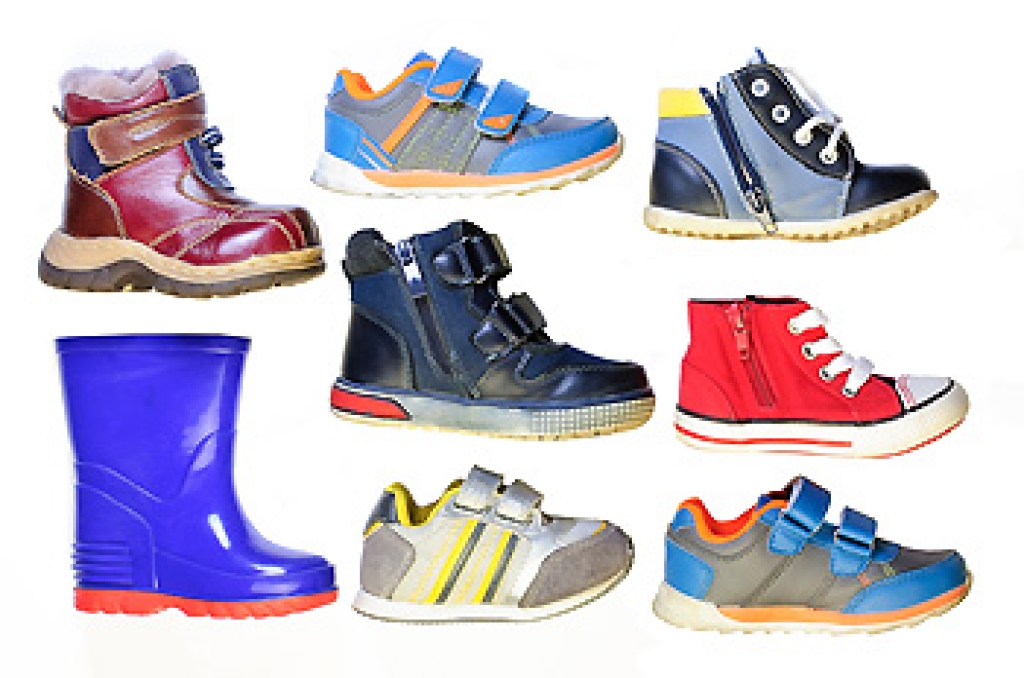
Parents may wonder when babies should start wearing shoes. Before a child begins to walk, shoes are not necessary indoors. In fact, bare feet allow babies to feel the floor and practice foot movements. Most children begin walking sometime between nine and 18 months, although this varies. Once a baby starts taking independent steps, soft-sole baby shoes can provide protection while allowing movement. Shoes should fit without squeezing growing toes.
Soft-sole baby shoes are a choice for early walkers because they allow the feet to bend naturally. Look for flexible materials, a toe area, and a good fit. Supportive does not mean stiff. Early footwear should protect the feet while allowing movement. Wearing shoes that are too tight can create pressure and discomfort. Poorly fitting footwear may also cause blisters, rubbing, or changes in walking patterns. Parents should check shoe fit because feet grow quickly.
Healthy baby foot development depends on choosing the right shoes. Babies benefit from opportunities to crawl, stand, and walk. Walking barefoot indoors can help develop balance and foot awareness when the environment is safe. Risk factors for foot problems include wearing restrictive footwear, poorly fitted shoes, and prolonged use of rigid shoes. Watch for persistent pain, swelling, redness, or differences between the feet. These symptoms deserve professional attention.
A podiatrist can examine a child’s feet and ankles when concerns arise. The evaluation may include checking foot structure, movement, and walking development. If a problem is found, the podiatrist may recommend footwear changes, monitoring, or other age-appropriate treatment. Parents should avoid choosing rigid corrective shoes without professional guidance. With proper fit and healthy movement, early shoes can protect developing feet without limiting natural motion. If your baby needs shoes, it is suggested that you consult a podiatrist who can guide you on the correct shoes to purchase for your child's needs.
The health of a child’s feet is vital to their overall well-being. If you have any questions regarding foot health, contact Dr. Odin De Los Reyes of Connecticut. Our doctor can provide the care you need to keep you pain-free and on your feet.
Tips for Keeping Children's Feet Healthy
- Make sure their shoes fit properly
- Look for any signs of in-toeing or out-toeing
- Check to see if they have Clubfoot (condition that affects your child’s foot and ankle, twisting the heel and toes inward) which is one of the most common nonmajor birth defects.
- Lightly cover your baby’s feet (Tight covers may keep your baby from moving their feet freely, and could prevent normal development)
- Allow your toddler to go shoeless (Shoes can be restricting for a young child’s foot)
- Cut toenails straight across to avoid ingrown toenails
- Keep your child’s foot clean and dry
- Cover cuts and scrapes. Wash any scratches with soap and water and cover them with a bandage until they’ve healed.
If you have any questions, please feel free to contact our offices located in Southbury and Farmington, CT . We offer the newest diagnostic and treatment technologies for all your foot care needs.
