Items filtered by date: May 2023
Why Do I Have Foot Pain?
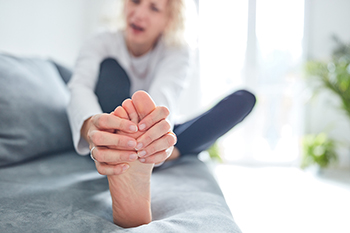
The muscles in the feet can become overworked. This may result in foot pain, and it can happen from repetitive body movement. Foot pain may also occur from wearing shoes that do not fit correctly or standing on hard or uneven surfaces for most of the day. People who are overweight may also experience foot pain from the extra weight the feet must endure. Additionally, existing foot conditions such as flat feet, bunions, or hammertoe may cause foot pain, and many patients seek relief from a podiatrist. It is beneficial to wear shoes that are made with quality materials, in addition to having good arch support and shock absorbers. Many people enjoy having regular foot massages performed to help reduce aches and foot pain. If you have foot pain for any reason, it is strongly suggested you are under the care of a podiatrist who can diagnose the cause and offer treatment solutions that are right for you.
Foot Pain
Foot pain can be extremely painful and debilitating. If you have a foot pain, consult with Dr. Odin De Los Reyes from Connecticut. Our doctor will assess your condition and provide you with quality foot and ankle treatment.
Causes
Foot pain is a very broad condition that could be caused by one or more ailments. The most common include:
- Bunions
- Hammertoes
- Plantar Fasciitis
- Bone Spurs
- Corns
- Tarsal Tunnel Syndrome
- Ingrown Toenails
- Arthritis (such as Gout, Rheumatoid, and Osteoarthritis)
- Flat Feet
- Injury (from stress fractures, broken toe, foot, ankle, Achilles tendon ruptures, and sprains)
- And more
Diagnosis
To figure out the cause of foot pain, podiatrists utilize several different methods. This can range from simple visual inspections and sensation tests to X-rays and MRI scans. Prior medical history, family medical history, and any recent physical traumatic events will all be taken into consideration for a proper diagnosis.
Treatment
Treatment depends upon the cause of the foot pain. Whether it is resting, staying off the foot, or having surgery; podiatrists have a number of treatment options available for foot pain.
If you have any questions, please feel free to contact our offices located in Southbury and Farmington, CT . We offer the newest diagnostic and treatment technologies for all your foot care needs.
Poor Circulation and Massages
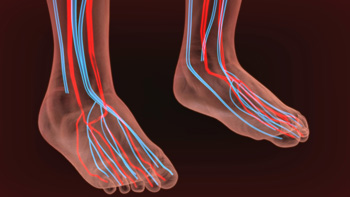
Poor circulation is what podiatrists call a condition where blood does not easily circulate to, through, and from the feet. There are many things an individual may consider doing while consulting with their podiatrist that can help to increase circulation in the feet. For example, a medical professional may make the determination that performing a foot massage could mitigate poor circulation. Performing a specific type of foot massage is essentially a method that can stimulate the muscles. In addition to potentially improving circulation, having a foot massage done can also be a way for a patient to analyze their feet for any potential concerning signs. If you struggle with poor circulation in the feet, it is suggested that you contact a podiatrist about foot massages.
Poor circulation is a serious condition and needs immediate medical attention. If you have any concerns with poor circulation in your feet contact Dr. Odin De Los Reyes of Connecticut. Our doctor will treat your foot and ankle needs.
Poor Circulation in the Feet
Poor blood circulation in the feet and legs is can be caused by peripheral artery disease (PAD), which is the result of a buildup of plaque in the arteries.
Plaque buildup or atherosclerosis results from excess calcium and cholesterol in the bloodstream. This can restrict the amount of blood which can flow through the arteries. Poor blood circulation in the feet and legs are sometimes caused by inflammation in the blood vessels, known as vasculitis.
Causes
Lack of oxygen and oxygen from poor blood circulation restricts muscle growth and development. It can also cause:
- Muscle pain, stiffness, or weakness
- Numbness or cramping in the legs
- Skin discoloration
- Slower nail & hair growth
- Erectile dysfunction
Those who have diabetes or smoke are at greatest risk for poor circulation, as are those who are over 50. If you have poor circulation in the feet and legs it may be caused by PAD and is important to make changes to your lifestyle in order to reduce risk of getting a heart attack or stroke. Exercise and maintaining a healthy lifestyle will dramatically improve conditions.
As always, see a podiatrist as he or she will assist in finding a regimen that suits you. A podiatrist can also prescribe you any needed medication.
If you have any questions please feel free to contact our offices located in Southbury and Farmington, CT . We offer the newest diagnostic and treatment technologies for all your foot and ankle needs.
Choosing the Right Shoes for Trail Running

Running on trails requires many precautions that are not needed for other types of exercise or sport. Among the most important considerations is finding the proper footwear. Here are some tips from experts for selecting trail running shoes that can enhance your safety and increase your enjoyment. This type of shoe falls into three categories, including light trails, rugged trails, and off trails. Light trail shoes are made of fairly stiff materials that offer some protection from rocks, but serve well on more groomed trails. Rugged trail shoes are sturdier and have tougher soles that may help to prevent slipping, while providing more stability against foot rotation. They also have thicker exteriors to ward off thorns and brush. Off trail shoes are the most rugged, providing extra protection against rough terrain. They hold up well in bogs, streams and other slippery spots. As with all running footwear, trail running shoes must fit properly, while taking into account the socks that you will wear. For more information on what type of shoes to purchase for trail running, it is suggested that you consult a podiatrist.
Exercising your feet regularly with the proper foot wear is a great way to prevent injuries. If you have any concerns about your feet, contact Dr. Odin De Los Reyes of Connecticut. Our doctor will treat your foot and ankle needs.
How to Prevent Running Injuries
Many common running injuries are caused by overuse and overtraining. When the back of the kneecap starts wearing out and starts causing pain in your knee, this is commonly referred to as runner’s knee. Runner’s knee is a decrease in strength in your quadriceps and can occur if you’re not wearing properly fitted or supporting shoes. To prevent runner’s knee, focusing on hip strengthening is a good idea, as well as strengthening your quads to keep the kneecaps aligned.
What Are Some Causes of Running Injuries?
- One cause of a common running injury is called iliotibial band syndrome.
- Plantar fasciitis is also another common injury.
- Stress fractures can occur from overtraining, lack of calcium, or even your running style.
Best Ways to Prevent Running Injuries
- Wear footwear that fits properly and suits your running needs.
- Running shoes are the only protective gear that runners have to safeguard them from injury.
- Make a training schedule. Adding strengthening exercises as well as regular stretching can help keep you strong and limber and can lessen the possibility of injuries.
- Stretching keeps muscles limber; this will help you gain better flexibility.
If you have any questions please feel free to contact our offices located in Southbury and Farmington, CT . We offer the newest diagnostic and treatment technologies for all your foot and ankle needs.
Do Your Child's Feet Hurt?

Have your child's feet been examined lately? Healthy feet are happy feet. If your child is complaining of foot pain, it may be a sign of underlying problems.
Plantar Fasciitis Symptoms and Risk Factors
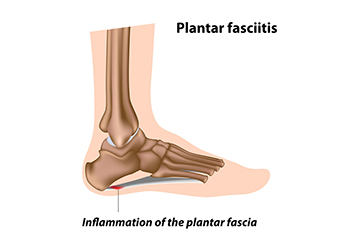
Most complaints of heel pain derive from plantar fasciitis, which involves inflammation of the band of tissue that runs under the feet from the toes to the heels. At first, plantar fasciitis starts as discomfort in the heel or arch, especially if your shoes have inadequate cushioning and an inflexible sole. Then the pain may also be felt when you first wake up, or after sitting or standing for long periods, but it generally fades as you become active again. Wearing shoes that do not fit properly and do not afford enough cushioning or arch support increases the chances of developing plantar fasciitis. Tightness in the calf muscles, another symptom of plantar fasciitis, is related to a problem with a tight Achilles tendon. Many pregnant women experience plantar fasciitis, as the result of gaining weight, retaining water, and increasing pressure on the feet. Long distance runners and soldiers, who may strike heel first while running, might be more prone to plantar fasciitis. If heel pain is a growing problem, it is suggested that you consult a podiatrist for an evaluation and treatment options.
Plantar fasciitis can be very painful and inconvenient. If you are experiencing heel pain or symptoms of plantar fasciitis, contact Dr. Odin De Los Reyes from Connecticut. Our doctor can provide the care you need to keep you pain-free and on your feet.
What Is Plantar Fasciitis?
Plantar fasciitis is the inflammation of the thick band of tissue that runs along the bottom of your foot, known as the plantar fascia, and causes mild to severe heel pain.
What Causes Plantar Fasciitis?
- Excessive running
- Non-supportive shoes
- Overpronation
- Repeated stretching and tearing of the plantar fascia
How Can It Be Treated?
- Conservative measures – anti-inflammatories, ice packs, stretching exercises, physical therapy, orthotic devices
- Shockwave therapy – sound waves are sent to the affected area to facilitate healing and are usually used for chronic cases of plantar fasciitis
- Surgery – usually only used as a last resort when all else fails. The plantar fascia can be surgically detached from the heel
While very treatable, plantar fasciitis is definitely not something that should be ignored. Especially in severe cases, speaking to your doctor right away is highly recommended to avoid complications and severe heel pain. Your podiatrist can work with you to provide the appropriate treatment options tailored to your condition.
If you have any questions please feel free to contact our offices located in Southbury and Farmington, CT . We offer the newest diagnostic and treatment technologies for all your foot and ankle needs.
Tips for Preventing Falls in Older Adults
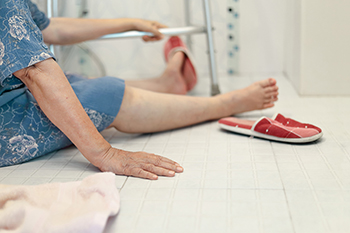
Statistics show that falls among seniors are the leading cause of death from injury in that age group. For this reason, preventing falls in older adults is imperative. Start with safety-proofing the home. Remove scatter rugs and clear pathways. Improve lighting and remove long wires that can easily be tripped over. Install grab bars and use non-skid mats in bathrooms. Doing exercises to improve balance also can help prevent falls. Wearing shoes with non-slip soles and avoiding walking barefoot are two more preventative measures. Some medication has side effects that cause dizziness or changes to blood pressure, so it is a good idea to discuss alternatives. Having regular vision checkups is important to make sure prescriptions are up to date. Seniors who are frail or have mobility issues may wish to use a device, such as a walker, walking stick, or cane, to keep them upright, especially at night. For more information on methods that may help to prevent falling, it is suggested that older adults and their families seek the counsel of a podiatrist.
Preventing falls among the elderly is very important. If you are older and have fallen or fear that you are prone to falling, consult with Dr. Odin De Los Reyes from Connecticut. Our doctor will assess your condition and provide you with quality advice and care.
Every 11 seconds, an elderly American is being treated in an emergency room for a fall related injury. Falls are the leading cause of head and hip injuries for those 65 and older. Due to decreases in strength, balance, senses, and lack of awareness, elderly persons are very susceptible to falling. Thankfully, there are a number of things older persons can do to prevent falls.
How to Prevent Falls
Some effective methods that older persons can do to prevent falls include:
- Enrolling in strength and balance exercise program to increase balance and strength
- Periodically having your sight and hearing checked
- Discuss any medications you have with a doctor to see if it increases the risk of falling
- Clearing the house of falling hazards and installing devices like grab bars and railings
- Utilizing a walker or cane
- Wearing shoes that provide good support and cushioning
- Talking to family members about falling and increasing awareness
Falling can be a traumatic and embarrassing experience for elderly persons; this can make them less willing to leave the house, and less willing to talk to someone about their fears of falling. Doing such things, however, will increase the likelihood of tripping or losing one’s balance. Knowing the causes of falling and how to prevent them is the best way to mitigate the risk of serious injury.
If you have any questions, please feel free to contact our offices located in Southbury and Farmington, CT . We offer the newest diagnostic and treatment technologies for all your foot care needs.
